Singer Featherweight 221: A Comprehensive Guide
Singer’s enduring legacy includes the Featherweight 221, a machine celebrated for its portability and reliability; detailed instruction manuals aided its widespread adoption․
Historical Context of the Singer 221
The Singer 221 emerged during a period of significant social and technological change, debuting in 1933 as a lighter, more portable alternative to heavier domestic sewing machines․ Its introduction coincided with the Great Depression, making its affordability and practicality particularly appealing to home sewers․ Singer, already a dominant force in the sewing machine industry since 1851, aimed to cater to a broader market with this compact design․
Early instruction manuals reflected the era, emphasizing self-sufficiency and home crafting․ These guides weren’t merely operational; they often included sewing tips and project ideas, fostering a community around the machine․ The 221 quickly became a staple in households, and even saw use by the military during World War II, demonstrating its durability and versatility․
The 221’s Place in Singer History
The Singer 221 Featherweight occupies a unique and revered position within Singer’s extensive history․ Introduced as a more accessible option, it quickly surpassed expectations, becoming one of the company’s most beloved and enduring models․ Unlike earlier, larger machines, the 221 prioritized portability without sacrificing sewing power․
Its long production run, spanning from 1933 to 1968, speaks to its consistent popularity and reliable performance․ The accompanying instruction manuals evolved over time, reflecting updates to the machine and changing sewing practices․ The 221 cemented Singer’s reputation for quality and innovation, and remains a highly sought-after collectible today․
Key Features and Specifications
The Singer 221 Featherweight boasts a robust, yet lightweight aluminum body, contributing to its portability․ It’s a free-arm machine, facilitating cuff and sleeve work․ Key specifications include a straight stitch capability, with adjustable stitch length, and a zigzag stitch option via an optional attachment․
The machine operates with a two-tone shuttle hook system and utilizes standard 90/14 needles․ Original instruction manuals detail these features, alongside guidance on threading and maintenance․ Its simplicity and durability, coupled with these core specifications, made it a favorite among home sewers and traveling seamstresses alike․
Distinctive Design Elements
The Singer 221’s design prioritizes functionality and elegance․ Its sleek, streamlined body, often finished in black or jade green, is instantly recognizable․ The iconic featherweight name stems from its remarkably light weight for a mechanical sewing machine․ Original instruction manuals often showcase detailed diagrams of its components․
Decorative elements, like gold decals, add a touch of sophistication․ The machine’s compact size and built-in carrying case further emphasize its portability․ These design choices, detailed within the manuals, weren’t merely aesthetic; they contributed to the machine’s practicality and enduring appeal․
Weight and Portability
The Singer 221 truly earns its “Featherweight” moniker, weighing approximately 8 pounds․ This lightweight design, highlighted in original instruction manuals, made it exceptionally portable – a key feature for travelling seamstresses and home users alike․ The included aluminum carrying case, often featuring the Singer logo, further enhanced its transportability․
Compared to larger, heavier machines of the era, the 221 offered unprecedented convenience․ Manuals emphasized its suitability for classes, workshops, and taking sewing projects on the go․ This portability didn’t compromise its sewing capabilities, making it a versatile and highly sought-after machine․

Mechanical Components Overview
The Singer 221’s instruction manuals detail a robust, yet relatively simple, mechanical system․ A key component is its oscillating shuttle, visible through a small access door, responsible for forming the stitch․ The machine utilizes a rotary hook and a feed dog mechanism for consistent fabric advancement․
Power is delivered via a handwheel, allowing for precise speed control․ Internal gearing, meticulously explained in the manuals, translates handwheel rotation into needle movement․ The tension discs, crucial for stitch quality, are adjustable․ Understanding these core components, as outlined in the original guides, is vital for maintenance and repair․
Threading the Singer 221
The Singer 221 instruction manual provides clear diagrams for threading․ Begin by raising the presser foot and turning the handwheel to its highest position․ Guide the thread from the spool pin, through the first tension disc, and around the take-up lever․
Next, thread through the second tension disc and down to the needle․ Proper threading is crucial for consistent stitch formation․ The manual emphasizes ensuring the thread is securely seated in each guide․ Incorrect threading is a common cause of tension issues, so careful adherence to the illustrated steps is essential for optimal performance․
Bobbin Winding Procedure
The Singer 221 instruction manual details a specific bobbin winding process․ Place the spool of thread on the spool pin and guide it to the bobbin winder tension disc․ Then, engage the bobbin winder by sliding it to the right․
Hold the thread end firmly while starting the machine slowly, allowing the bobbin to wind evenly․ The manual stresses avoiding overfilling the bobbin to prevent jamming․ Disengage the winder when full, trim the thread, and place the bobbin into the bobbin case, ensuring correct orientation for smooth sewing operation․
Stitch Selection and Adjustment
The Singer 221 instruction manual primarily focuses on straight and zigzag stitch capabilities․ Stitch length is adjusted using a dial located on the machine’s front; the manual illustrates various settings for different fabric weights․
Zigzag width is controlled by another dial, allowing for diverse decorative and functional applications․ The manual emphasizes testing stitch settings on scrap fabric before beginning a project․ Proper tension adjustment, detailed within the guide, is crucial for balanced stitches, preventing puckering or looping, and achieving professional results․
Basic Sewing Techniques with the 221
The Singer 221 instruction manual guides users through fundamental sewing techniques․ It details proper fabric handling, emphasizing consistent feeding under the presser foot․ The manual illustrates how to start and end seams securely using reverse stitching, preventing unraveling․
Turning corners accurately is also covered, with advice on pivoting the fabric while the needle is down․ The guide stresses the importance of maintaining a consistent seam allowance for precise results․ Mastering these basics, as outlined, unlocks the 221’s potential for various sewing projects․
Straight Stitch Mastery
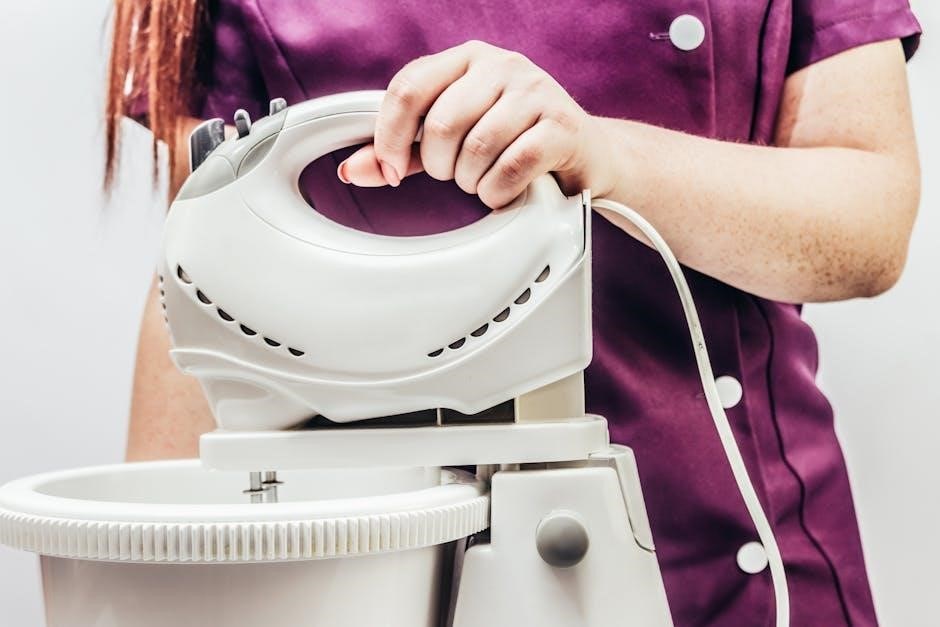
The Singer 221 instruction manual dedicates significant attention to achieving a perfect straight stitch․ It emphasizes selecting the correct needle and thread weight for the fabric․ Users are instructed on adjusting stitch length for different materials – shorter for delicate fabrics, longer for heavier ones․
Maintaining a consistent seam allowance is crucial, and the manual suggests utilizing the edge of the presser foot as a guide․ Troubleshooting common issues like uneven stitches or puckering is also addressed, offering solutions for tension adjustments and fabric feed; Consistent practice, guided by the manual, yields professional-looking results․
Zigzag Stitch Applications
The Singer 221 instruction manual details the versatility of its zigzag stitch․ It highlights applications beyond basic seam finishing, including decorative stitching and creating buttonholes․ Users learn to adjust stitch width and length for varied effects, from narrow zigzag for reinforcing edges to wider stitches for embellishment․
The manual provides guidance on utilizing the zigzag stitch for stretch fabrics, preventing puckering and ensuring seam integrity․ It also covers techniques for appliqué and free-motion zigzag embroidery․ Mastering these techniques, as outlined in the manual, unlocks creative possibilities beyond standard sewing projects․
Maintenance and Cleaning
The Singer 221 instruction manual emphasizes regular maintenance for optimal performance․ It details a cleaning schedule, advising removal of lint and dust from the bobbin area and feed dogs after each use․ The manual stresses the importance of using a soft brush and avoiding compressed air, which can force debris deeper into the mechanism․

Periodic oiling is crucial, with the manual illustrating specific oil points․ It cautions against over-oiling, which can attract lint․ The manual also provides guidance on cleaning the machine’s exterior with a soft cloth and mild soap, preserving its finish․ Consistent care, as described, ensures longevity․
Regular Oil Points
The Singer 221 instruction manual meticulously details essential oiling locations․ Key points include the bobbin case, the shuttle race, the main shaft, and the presser foot bar․ The manual illustrates these areas with clear diagrams, emphasizing the use of a high-quality sewing machine oil․ It advises applying only a few drops to each point, ensuring thorough penetration․
Avoid over-oiling, as excess oil attracts lint and can hinder performance․ The manual also recommends oiling the motor, if accessible, and the handwheel bearing․ Consistent lubrication, following the manual’s guidance, maintains smooth operation and extends the machine’s lifespan․
Belt Replacement Guide
The Singer 221 instruction manual provides a step-by-step belt replacement procedure․ Begin by removing the handwheel and faceplate, carefully noting their positions․ The manual details how to release the tension on the old belt and remove it from the motor pulley and flywheel․ Installing the new belt requires stretching it over both pulleys, ensuring a snug fit․
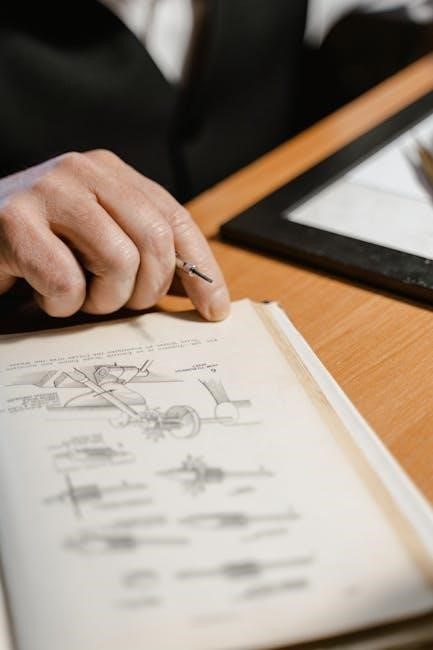
Proper belt tension is crucial for optimal performance; the manual illustrates the correct amount of deflection․ Reattach the handwheel and faceplate, verifying alignment․ A correctly installed belt ensures smooth, quiet operation and prevents slippage, maintaining consistent sewing speed․
Troubleshooting Common Issues
The Singer 221 instruction manual dedicates a section to resolving frequent problems․ Skipped stitches are often caused by incorrect needle insertion, a dull needle, or improper threading – the manual illustrates correct techniques․ Tension issues, leading to looping or puckering, are addressed with detailed diagrams for adjusting both upper and bobbin tension․
If the machine fails to sew, the manual guides users to check the belt, bobbin winding, and power source․ It emphasizes the importance of regular cleaning and oiling to prevent malfunctions․ Following these troubleshooting steps can often resolve issues without professional repair․
Skipped Stitches – Causes and Solutions
The Singer 221 instruction manual identifies several causes for skipped stitches․ A primary culprit is an incorrectly inserted needle; the manual provides clear illustrations for proper installation, ensuring the eye is facing the correct direction․ Dull or damaged needles are also highlighted, recommending frequent replacement․ Improper threading, particularly of the upper thread, is another common issue․

Solutions detailed in the manual include re-threading the machine, using a new needle of the correct size and type, and verifying correct tension settings․ It also suggests checking the foot pressure and ensuring the fabric isn’t being pulled during sewing․
Tension Problems – Diagnosis and Fixes
The Singer 221 instruction manual dedicates significant attention to tension adjustments, crucial for balanced stitches․ It explains that uneven tension results in looping, puckering, or weak seams․ The manual details how to diagnose tension issues by observing the stitch formation on both sides of the fabric․
Fixes involve adjusting the upper tension dial, referencing the manual’s diagrams for optimal settings based on fabric type and thread weight․ It also emphasizes the importance of proper bobbin winding and consistent thread tension throughout the bobbin․ Re-threading both upper and lower threads is recommended before making adjustments․

Finding Replacement Parts
The Singer 221 instruction manual doesn’t detail part sourcing, but its longevity means parts availability is a common concern․ Owners often seek replacements for worn belts, bobbins, needles, and occasionally, more complex components like the handwheel or shuttle․ Authentic Singer parts can be located through specialized vintage sewing machine retailers and online marketplaces․
However, finding original parts can be challenging and expensive․ The manual doesn’t list compatible modern alternatives, but resourceful owners often discover suitable substitutes from other Singer models or generic sewing machine suppliers․ Careful research and part number verification are essential for successful replacements․
Authentic Singer Parts Sources
While the Singer Featherweight 221 instruction manual doesn’t list vendors, locating authentic parts requires dedicated searching․ Several online retailers specialize in vintage Singer machines and components, offering original parts sourced from refurbished machines․ These sources often provide detailed descriptions and images to aid identification․
Estate sales, antique shops, and sewing machine repair services can also yield original parts, though condition varies․ Online auction sites are another avenue, but require careful scrutiny of seller feedback and part descriptions․ Be prepared for potentially higher costs associated with genuine Singer components, reflecting their rarity and demand․
Compatible Modern Alternatives
The Singer Featherweight 221 instruction manual doesn’t address modern replacements, but finding compatible parts can extend the machine’s life․ While original Singer parts are preferred, certain modern equivalents exist for items like needles, bobbins, and belts․ Universal sewing machine needles, sized appropriately for the 221, are readily available․
Modern bobbins, specifically those matching the 15․9mm x 6․4mm size, can substitute for originals․ Generic replacement belts, though potentially requiring minor adjustment, offer a cost-effective alternative․ However, exercise caution when using non-Singer parts, as quality and fit can vary, potentially impacting sewing performance․
Dating Your Singer 221
The Singer Featherweight 221 instruction manual itself doesn’t detail dating methods, but the machine’s serial number is key․ Production spanned from 1933 to 1968, and the serial number reveals the manufacturing year․ Numbers generally correlate to production order; lower numbers indicate earlier dates․
Resources online, including dedicated Singer forums and databases, provide serial number decoding charts․ These charts link specific serial number ranges to corresponding production years․ Examining the machine’s finish – black versus later chrome – also offers clues․ Understanding the production timeline helps appreciate the machine’s history and value․
Serial Number Decoding
While the Singer Featherweight 221 instruction manual doesn’t offer decoding specifics, the serial number is crucial for dating․ Located on the machine’s bed, it’s a seven-digit number․ Early models (1933-1940s) have lower numbers, generally under 1 million․ Later production (post-WWII) extends into the several million range․
Online resources, like Singer enthusiast websites, provide detailed charts mapping serial number ranges to production years․ These aren’t foolproof, as production wasn’t always strictly sequential, but offer a close estimate․ Decoding helps determine the machine’s age and potential variations in features or finish․
Production Year Identification
The Singer Featherweight 221 instruction manual itself doesn’t detail production dates, relying on the serial number for identification․ Determining the year requires cross-referencing the serial number with established charts created by Singer collectors․ Production spanned from 1933 to 1968, with variations occurring throughout․
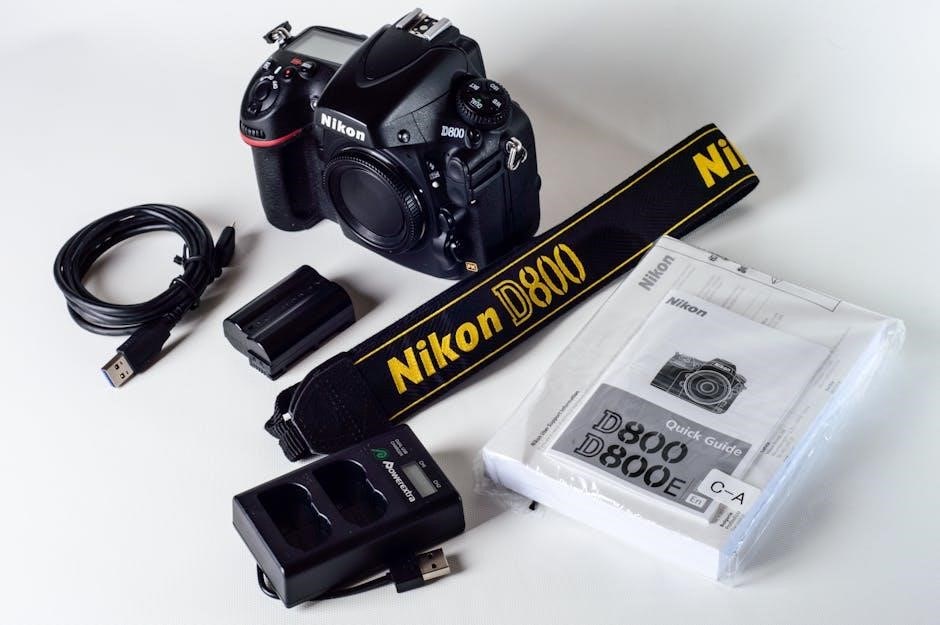
Early models (1933-1940s) often feature lighter aluminum components․ Post-WWII machines utilized more steel due to material shortages․ Identifying subtle design changes – like motor housing variations or decal styles – alongside the serial number, provides a more accurate production timeframe․ Online databases are invaluable resources for this process․
Accessories and Attachments
The original Singer Featherweight 221 instruction manual lists included accessories: bobbins, needles, screwdrivers, oil, and a brush․ A standard zigzag foot, and a buttonhole foot were commonly supplied․ Numerous optional attachments expanded the machine’s capabilities․
These included specialized feet for darning, rolled hems, and pin tucks․ Light bulbs, motor belts, and even edge stitchers were available․ Many collectors actively seek these original accessories to complete their machines․ Modern reproductions exist, but authentic Singer attachments often command higher prices due to their quality and historical value․
Original Accessories Included
The Singer Featherweight 221, as detailed in its original instruction manual, shipped with a core set of essential tools․ These included several class 66K bobbins, a selection of system 2020 needles, and two screwdrivers – one for general use and another smaller one for delicate adjustments․
A small brush for cleaning lint and a bottle of Singer oil were also standard․ Importantly, a zigzag foot and a buttonhole foot were frequently included, enhancing the machine’s versatility․ These accessories were housed in a fitted accessory box, completing the original package and ensuring a user-friendly experience․
Useful Optional Attachments
The Singer Featherweight 221 instruction manual hints at expanded capabilities through optional attachments․ A hemming foot facilitated neat, even hems, while a rolled hem foot created delicate, decorative edges․ For quilting enthusiasts, a quarter-inch foot proved invaluable for precise seam allowances․
Further enhancing functionality, a gathering foot simplified fabric manipulation, and various specialized presser feet catered to specific fabrics like leather or denim․ These attachments, though not initially included, significantly broadened the Singer’s sewing potential, as demonstrated in supplemental guides and advertisements․
Restoration and Refurbishment
While the Singer Featherweight 221 instruction manual focuses on operation, restoring a vintage machine requires careful attention․ Cleaning involves gentle solvent application to remove old oil and grime, avoiding harsh chemicals that could damage the finish․ Polishing the exterior with a soft cloth restores its luster․

Internally, inspecting and replacing worn belts is crucial․ Addressing common wear and tear, like replacing felt washers or lubricating moving parts, ensures smooth operation․ Detailed online resources and dedicated communities offer guidance beyond the original manual, aiding in preserving these iconic machines for future generations․
Cleaning and Polishing Techniques
The Singer Featherweight 221 instruction manual doesn’t extensively cover cosmetic restoration, but maintaining its appearance is vital․ Begin by gently removing dust with a soft brush․ For grime, use mineral spirits or a specialized sewing machine cleaner, applying with a cloth, avoiding plastic components․
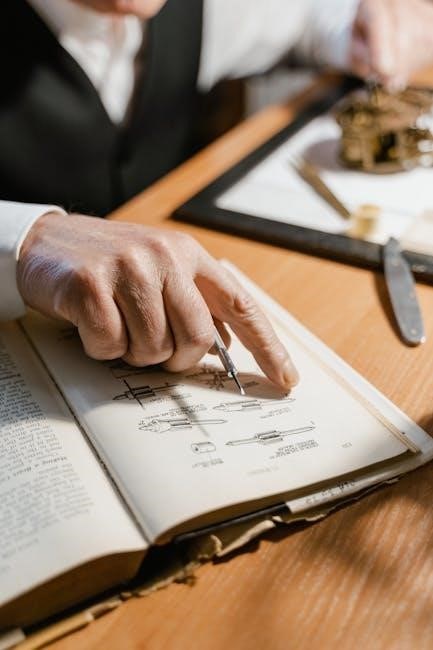
Polishing the painted surfaces requires careful attention; use a mild metal polish designed for vintage finishes, applying in circular motions․ Avoid abrasive compounds that can damage the paint․ Regularly cleaning and polishing not only enhances the machine’s beauty but also protects it from rust and corrosion, ensuring longevity․
Repairing Common Wear and Tear
The Singer Featherweight 221 instruction manual primarily focuses on operation, not detailed repair․ However, common issues include worn belts and bushings․ Belt replacement, though requiring disassembly, is manageable with guidance from online resources and dedicated forums․ Bushings often require specialized tools for removal and replacement․
Minor paint chips can be touched up with matching enamel paint․ More significant damage may necessitate professional restoration․ Regularly oiling, as detailed in the manual, prevents many wear issues․ Addressing problems promptly prevents further damage and preserves the machine’s functionality․
The 221 in Modern Sewing
Despite its age, the Singer Featherweight 221 remains remarkably relevant․ While the original instruction manual doesn’t cover modern fabrics, experienced users adapt techniques for contemporary projects․ Its portability makes it ideal for classes and quilting retreats․ Online communities offer extensive tutorials and modifications․
Many sewists appreciate its simplicity and mechanical reliability, contrasting with complex computerized machines․ The 221 excels at garment construction, quilting, and light-duty tasks․ Its enduring popularity demonstrates a continued demand for well-built, lasting sewing tools, proving its timeless appeal․
Why the 221 Remains Popular
The Singer Featherweight 221’s enduring appeal stems from its robust construction and user-friendly design․ Though the original instruction manual is concise, its simplicity is a key advantage․ Its lightweight nature and portability contribute to its continued use in workshops and by traveling sewists․
A strong online community provides support, troubleshooting, and modification ideas․ Many appreciate its mechanical reliability compared to modern computerized machines․ The 221’s ability to handle various fabrics, coupled with its aesthetic charm, ensures its place as a beloved sewing machine for generations․
Comparing the 221 to Modern Machines
Compared to today’s computerized sewing machines, the Singer 221 lacks automated features like pre-programmed stitches or digital displays․ However, the original instruction manual highlights its core functionality – straight and zigzag stitching – executed with precision․ Modern machines offer speed and versatility, but often at the cost of simplicity and durability․
The 221’s mechanical operation fosters a deeper understanding of the sewing process․ While lacking advanced capabilities, its robust build and straightforward design ensure longevity․ Many users prefer the tactile experience and reliable performance of the 221 over the complexity of modern alternatives․