Martha White Yellow Cornbread Mix Instructions: A Comprehensive Guide
Martha White’s yellow cornbread mix offers a delightful, southern-style flavor, providing a quick and easy baking experience for both muffins and skillet cornbread.
This trusted brand, baking since 1899, delivers classic taste with minimal effort – simply combine with milk and eggs for a comforting, homemade treat.
Martha White yellow cornbread mix represents a cornerstone of Southern culinary tradition, offering a convenient pathway to a beloved, comforting dish. For generations, this mix has graced kitchen tables, embodying the warmth and hospitality associated with Southern cooking. Its enduring popularity stems from its simplicity – requiring only the addition of milk and eggs to transform into golden, fluffy cornbread.
The mix delivers a sweet, yet distinctly corny flavor profile, reminiscent of homemade recipes passed down through families. Whether baked in a classic cast iron skillet or a modern baking pan, Martha White consistently provides a reliable and delicious result. It’s a versatile ingredient, equally suited as a side to hearty chili, a complement to savory soups, or even as a base for creative cornbread stuffings.
This isn’t just a baking mix; it’s a connection to a rich heritage, a taste of the South, and a promise of a satisfying, home-cooked meal. It’s a testament to the enduring appeal of simple, quality ingredients and time-honored recipes.
Historical Background of Martha White
Martha White’s story began in 1899, rooted in the vision of Martha White, though the brand’s origins are intertwined with the Southern Milling Company. Initially, the company sought a spokesperson to embody the qualities of Southern homemaking, and “Martha White” – a fictional character – was born. She quickly became a beloved figure, representing trust and quality in Southern kitchens.
The brand’s cornbread mix quickly gained prominence, becoming a staple in households across the South and beyond; Through clever marketing, featuring “Martha White” on packaging and radio programs, the company fostered a strong connection with consumers. This created a sense of familiarity and reliability that persists today.
Over the decades, Martha White adapted to changing times, yet remained committed to its core values of providing convenient, high-quality baking mixes. The brand’s longevity is a testament to its enduring appeal and its ability to connect with generations of bakers.
Understanding the Mix: Ingredients and Composition
Martha White Yellow Cornbread Mix is carefully formulated to deliver a consistently delicious result with minimal effort. The core of the mix comprises finely ground yellow cornmeal, providing the authentic cornbread flavor and texture. It also includes wheat flour, lending structure and a slightly softer crumb.
Key components include leavening agents – baking powder and baking soda – which ensure a light and fluffy rise. Sugar is added to provide a subtle sweetness, enhancing the overall taste profile. Salt balances the flavors, while a touch of vegetable oil contributes to moisture and tenderness.
The mix is designed for simplicity; requiring only the addition of milk and eggs to create a classic Southern cornbread. The precise proportions of each ingredient are carefully balanced to guarantee a reliable and satisfying baking experience.

Basic Cornbread Recipe – Standard Instructions
To begin, simply combine Martha White mix, one egg, and one cup of milk for a quick and easy cornbread preparation, ready in minutes!
Ingredients Required: Milk, Eggs, and Mix
Creating a delightful batch of Martha White yellow cornbread is wonderfully straightforward, requiring just three core ingredients for the standard recipe. First, you’ll need one box – specifically a 7-ounce package – of Martha White Sweet Yellow Cornbread and Muffin Mix. This provides the foundational flavor and texture that defines this classic Southern staple.
Next, one large egg is essential, acting as a binder to hold the ingredients together and contribute to the cornbread’s richness. Finally, one cup of milk is required to hydrate the mix and create the desired consistency. The type of milk isn’t strictly specified, allowing for flexibility based on preference – dairy or non-dairy options both work well.
These three simple components, when combined correctly, unlock the potential for a warm, comforting, and delicious cornbread experience. The beauty of this recipe lies in its simplicity and accessibility, making it perfect for both novice and experienced bakers alike.
Preheating the Oven: Temperature and Timing (425°F)
Achieving the perfect texture in your Martha White yellow cornbread hinges on proper oven preheating. The recommended temperature is 425°F (218°C), a relatively high heat crucial for creating a golden-brown crust and a light, fluffy interior. It’s vital to allow the oven to fully reach this temperature before placing the baking pan inside; this typically takes around 15-20 minutes, depending on your oven model.
Preheating ensures even cooking and optimal rise. Placing the batter into a cold oven can result in a dense, unevenly baked cornbread. Once the oven is preheated, the baking time is approximately 20-25 minutes, though this can vary slightly.
The initial 7-8 minutes of preheating with the greased pan inside the oven, as suggested by some instructions, further enhances the crust’s development and prevents sticking. Consistent temperature is key for a successful bake.
Preparing the Baking Pan: Greasing and Heating (8-inch skillet)
Proper pan preparation is paramount to prevent sticking and ensure easy removal of your Martha White cornbread. An 8-inch ovenproof skillet, traditionally cast iron, is ideal, but a square pan also works. Thoroughly grease the pan with shortening, butter, or cooking spray, ensuring all surfaces – bottom and sides – are coated. A light dusting of cornmeal after greasing adds extra insurance against sticking and imparts a subtle texture.
Some bakers recommend placing the greased pan inside the preheating oven for 7-8 minutes. This heats the pan, creating a barrier that further discourages sticking and contributes to a crispier crust.
Ensure the pan is hot to the touch before pouring in the batter. Careful preparation at this stage guarantees a beautifully formed and easily served cornbread.
Mixing Instructions: Combining Ingredients
Achieving the perfect cornbread texture relies on gentle yet thorough mixing. Begin by emptying one package (7 ounces) of Martha White Yellow Cornbread Mix into a medium-sized bowl. Add one egg and one cup of milk to the dry mix.
Using a fork or whisk, gently combine the ingredients. Avoid overmixing, as this develops the gluten and results in a tough, dense cornbread. Stir just until the dry ingredients are moistened and the batter is smooth, with no large lumps remaining.
A few small lumps are perfectly acceptable – in fact, they contribute to a more rustic texture. Once combined, the batter is ready to be poured into your prepared, heated skillet or pan.
Variations and Add-Ins
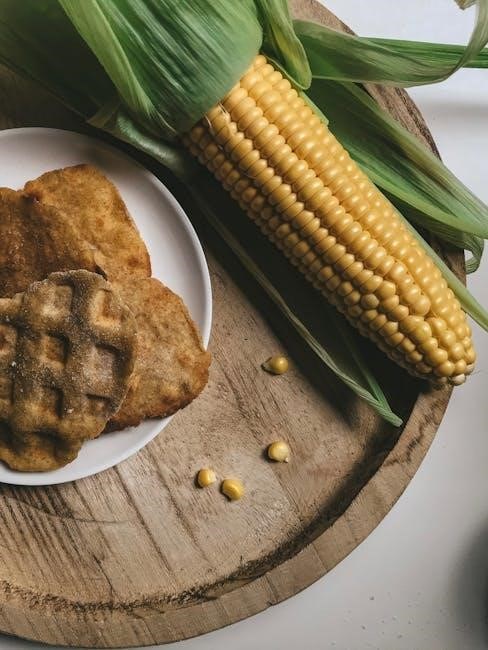
Elevate your Martha White cornbread with delightful additions! Explore sweet variations by adjusting sugar, or create savory masterpieces with cheese and fresh herbs.
Sweet Cornbread: Adjusting Sugar Levels
For those with a penchant for a sweeter cornbread experience, modifying the sugar content in your Martha White mix is remarkably simple. The base mix provides a subtly sweet flavor, but easily accommodates adjustments to suit individual preferences. Begin by adding one tablespoon of granulated sugar to the standard recipe, thoroughly incorporating it into the dry mix before introducing the wet ingredients.
Taste-test the batter – cautiously, as it’s uncooked – and incrementally increase the sugar, one teaspoon at a time, until your desired sweetness is achieved. Remember that the sweetness will intensify slightly during baking. Some bakers prefer brown sugar for a richer, molasses-like flavor; substituting brown sugar can also contribute to a moister crumb. Experimentation is key! Consider adding a touch of honey or maple syrup alongside the sugar for a nuanced sweetness.
Be mindful not to overdo it, as excessive sugar can compromise the cornbread’s texture, potentially resulting in a denser, less fluffy outcome. A balanced approach ensures a delightful, subtly sweet cornbread that complements both savory and sweet accompaniments.
Savory Cornbread: Incorporating Cheese and Herbs
Elevate your Martha White cornbread from a simple side to a flavorful centerpiece by incorporating cheese and herbs. Shredded cheddar, Monterey Jack, or pepper jack are excellent choices, adding a creamy texture and robust flavor. Start with approximately ½ to ¾ cup of shredded cheese, gently folding it into the batter after combining the wet and dry ingredients.
Fresh herbs, such as chives, rosemary, or thyme, contribute a fragrant and earthy dimension. Use about 1-2 tablespoons of finely chopped herbs. For a bolder flavor, consider adding crumbled bacon or diced jalapeños alongside the cheese and herbs. Experiment with different combinations to discover your perfect savory blend!
Ensure the cheese is evenly distributed throughout the batter for consistent flavor in every bite. Avoid overmixing, as this can develop the gluten and result in a tougher cornbread. A savory cornbread pairs wonderfully with chili, soups, or as a standalone accompaniment to a hearty meal.
Jalapeño Cornbread: Adding Spice
Introduce a fiery kick to your Martha White cornbread with the addition of jalapeños! For a mild heat, use 1-2 finely diced jalapeños, removing the seeds and membranes for less intensity. If you prefer a significant spice level, leave some seeds intact or increase the quantity of jalapeños to 3-4. Remember to handle jalapeños with care, wearing gloves if necessary.
Gently fold the diced jalapeños into the cornbread batter alongside the other ingredients, ensuring even distribution. Consider complementing the jalapeño heat with other savory additions like cheddar cheese or crumbled bacon for a balanced flavor profile. A touch of creamed corn can also help mellow the spice.
Jalapeño cornbread is a fantastic accompaniment to chili, barbecue, or Tex-Mex inspired dishes. Adjust the amount of jalapeño to suit your personal preference for heat, creating a cornbread that’s perfectly tailored to your taste!
Cornbread Muffins: Adapting the Recipe
Transform your Martha White cornbread mix into delightful muffins with a simple adaptation! Using the standard recipe, fill greased muffin tins approximately two-thirds full. This ensures a nice rise and prevents overflow during baking. Reduce the baking time significantly; typically, muffins require 15-20 minutes at 425°F, but check for doneness around 12 minutes.
A toothpick inserted into the center should come out clean, or with just a few moist crumbs. Muffins cool more quickly than skillet cornbread, making them perfect for on-the-go breakfasts or quick snacks. Consider adding blueberries, cranberries, or chocolate chips to the batter for a sweet variation.
Muffin tins also allow for portion control and individual servings. They’re ideal for potlucks or gatherings, offering a convenient and delicious treat. Enjoy the versatility of Martha White mix!
Baking Techniques for Optimal Results
Achieving perfect cornbread relies on proper technique; preheating to 425°F and utilizing a hot, greased skillet are crucial for a golden, flavorful outcome.
Using a Cast Iron Skillet: Benefits and Considerations
Employing a cast iron skillet when preparing Martha White cornbread offers significant advantages, contributing to a superior texture and flavor profile. The even heat distribution of cast iron ensures a consistently golden-brown crust, while its heat retention capabilities help maintain the cornbread’s fluffy interior.
However, successful cast iron baking requires a few considerations. Prior to mixing, it’s essential to thoroughly preheat the skillet in the oven – typically for 7 to 8 minutes at 425°F – to ensure it’s adequately heated. Generously greasing the skillet is also vital to prevent sticking and facilitate easy removal of the finished cornbread.
Furthermore, remember that cast iron retains heat exceptionally well, so handle with oven mitts. The skillet’s ability to create a beautifully crisp exterior makes it a favored choice for cornbread enthusiasts and a key element in the National Cornbread Cook-Off, where creativity and technique shine.
Baking in a Square Pan: Adjusting Baking Time
While an 8-inch skillet is traditionally recommended for Martha White cornbread, a square baking pan offers a viable alternative, though it necessitates adjustments to the baking process. When utilizing a square pan, typically 8×8 inches, anticipate a slightly longer baking duration compared to a skillet.
Begin by preheating your oven to 425°F, ensuring the pan is also heated for 7-8 minutes before pouring in the batter. This preheating step is crucial for achieving a golden-brown crust and a properly cooked center. Monitor the cornbread closely, starting to check for doneness around 20-25 minutes.
The increased surface area of the square pan can lead to faster browning, so reduce the baking time if needed. Use visual cues – a golden-brown color and slightly pulling away from the sides – and a toothpick test to confirm it’s fully baked.
Checking for Doneness: Visual Cues and Testing
Determining when your Martha White cornbread is perfectly baked involves observing several key indicators. Visually, a golden-brown hue across the top surface signals nearing completion, alongside the edges beginning to pull away slightly from the sides of the baking pan – be it a skillet or square pan.
However, visual cues alone aren’t definitive. The most reliable method is the toothpick test. Insert a wooden toothpick into the center of the cornbread; if it emerges clean, or with only a few moist crumbs clinging to it, the cornbread is done.
If the toothpick comes out wet with batter, continue baking for another 3-5 minutes and retest. Avoid overbaking, as this can result in dry cornbread. A slightly moist crumb is preferable to a brittle, overly dry texture.

Troubleshooting Common Issues
If your Martha White cornbread is too dry, reduce baking time or increase liquid; dense cornbread needs gentler mixing, and burning indicates too high a temperature.
Cornbread is Too Dry: Causes and Solutions
Dry cornbread, a common frustration when using Martha White mix, often stems from a few key culprits. Overbaking is a primary cause; exceeding the recommended baking time, particularly at 425°F, draws out moisture. Insufficient liquid in the batter also contributes – ensure precise measurements of milk and eggs are followed.
Furthermore, oven variations can play a role. Some ovens run hotter than indicated, accelerating moisture loss. To remedy dry cornbread, consider reducing the baking time by a few minutes, starting with a check at around 20-22 minutes.
Increasing the liquid slightly – perhaps adding an extra tablespoon of milk – can also improve the texture. Avoid overmixing the batter, as this develops gluten, leading to a tougher, drier crumb. Finally, ensure your baking pan is adequately greased to prevent sticking and moisture absorption.
Cornbread is Too Dense: Adjusting Mixing Technique
Dense cornbread, when using Martha White mix, frequently results from improper mixing techniques. Overmixing the batter is the most common cause, developing excessive gluten which leads to a tough, compact texture. Remember, a few lumps are perfectly acceptable – and even desirable – in cornbread batter.
Gentle folding is key; combine the wet and dry ingredients just until moistened. Avoid vigorous stirring or beating. Additionally, ensure your baking powder is fresh, as this leavening agent is crucial for creating a light and airy crumb.
Expired baking powder will result in a flat, dense cornbread. Finally, avoid compressing the mix into the pan; gently spoon or pour the batter to maintain its airy structure. A light hand during mixing is the secret to fluffy, tender cornbread.
Cornbread is Burning: Oven Temperature and Placement
Burning is a common issue when baking Martha White cornbread, often stemming from inaccurate oven temperature or improper rack placement. The standard recommendation is preheating to 425°F (218°C), but ovens can vary. Consider using an oven thermometer to verify your oven’s accuracy.
If burning occurs, reduce the oven temperature by 25°F for subsequent batches. Also, avoid placing the baking pan directly on the lowest rack, as this area receives the most intense heat. The center rack is generally ideal for even baking.
Monitor the cornbread closely during the final 5-10 minutes of baking. If the top is browning too quickly, loosely tent it with aluminum foil to prevent further burning while ensuring the inside is fully cooked.
Serving Suggestions and Pairings
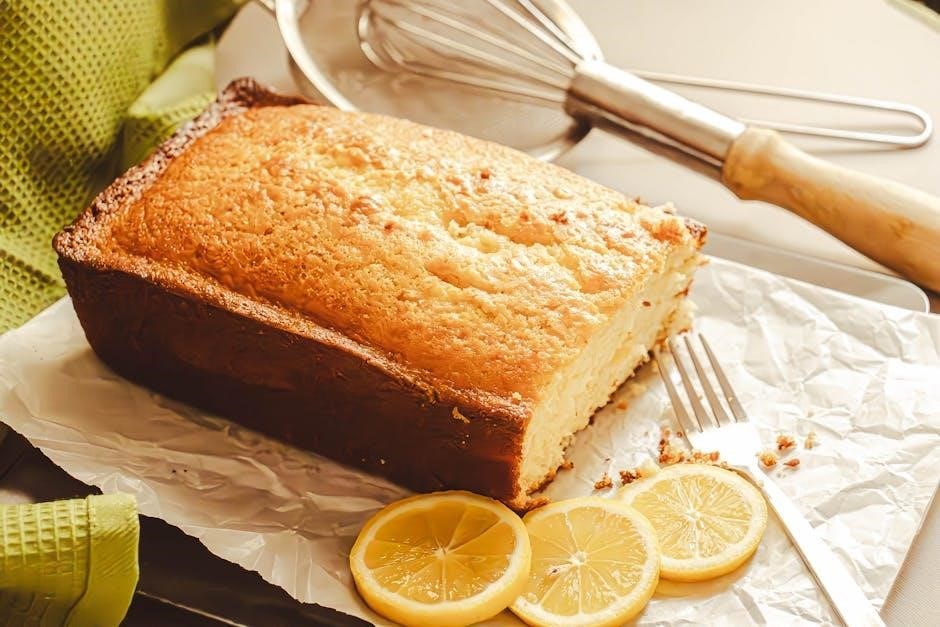
Martha White cornbread wonderfully complements chili and soups, offering a versatile side dish for various meals, or even as a stuffing base.
Cornbread with Chili: A Classic Combination
Pairing Martha White yellow cornbread with chili represents a quintessential Southern culinary tradition, a match made in comfort food heaven. The slight sweetness of the cornbread beautifully balances the savory, often spicy, flavors of chili, creating a harmonious and satisfying meal.
The cornbread’s crumbly texture provides a delightful contrast to the chili’s hearty consistency. Many enjoy crumbling the warm cornbread directly into their bowl of chili, allowing the flavors to meld together. Alternatively, a slice of cornbread serves as the perfect vessel for scooping up every last drop of chili.
Whether you prefer a mild, bean-based chili or a robust, meat-filled version, Martha White cornbread elevates the experience. It’s a pairing that’s both comforting and flavorful, ideal for cool evenings or casual gatherings. This classic combination truly embodies Southern hospitality and deliciousness.
Cornbread with Soup: Complementary Flavors
Martha White yellow cornbread offers a delightful accompaniment to a wide variety of soups, creating a comforting and satisfying meal. The cornbread’s subtle sweetness and slightly crumbly texture provide a pleasing contrast to the savory and often smooth consistency of soups.
It pairs exceptionally well with tomato soup, creamy vegetable soups, and even heartier stews. The cornbread acts as a perfect vehicle for soaking up the flavorful broth, ensuring that no drop goes to waste. Its mild flavor profile doesn’t overpower the soup’s delicate nuances.
Consider enjoying it alongside a bowl of chili – a classic pairing! – or explore other combinations like broccoli cheddar or French onion soup. Martha White cornbread truly enhances the soup-eating experience, adding a touch of Southern charm and warmth to any meal.
Cornbread as a Side Dish: Versatility in Meals
Martha White yellow cornbread isn’t limited to just soup pairings; its versatility shines as a side dish with countless meals. From barbecue ribs and fried chicken to roasted vegetables and grilled steak, the slightly sweet flavor complements a broad spectrum of main courses.
Its crumbly texture provides a delightful contrast to smoother dishes, adding a textural element that elevates the overall dining experience. It’s a fantastic base for cornbread stuffing, adding a Southern twist to traditional holiday meals.
Beyond traditional pairings, consider serving it with pulled pork, brisket, or even alongside a hearty salad. Martha White cornbread effortlessly transitions from casual weeknight dinners to elegant gatherings, proving its adaptability and enduring appeal as a beloved side dish.
Nutritional Information and Allergens
Martha White mix nutritional content varies; always check the packaging for details. Potential allergens may include wheat and soy, so review ingredients carefully.
Analyzing the Nutritional Content of Martha White Mix
Understanding the nutritional profile of Martha White Yellow Cornbread Mix is crucial for informed dietary choices. A single serving (typically around 1/4 cup dry mix) contributes to your daily intake of carbohydrates, primarily from cornmeal and flour. The mix itself contains a moderate amount of fat, and a small amount of protein.
However, it’s important to remember that the final nutritional value significantly depends on the ingredients added during preparation. Using whole milk versus skim milk, adding sugar, or incorporating fats like butter will all alter the overall nutritional content.
Generally, the mix is a source of some vitamins and minerals naturally present in cornmeal; Checking the product packaging provides the most accurate and up-to-date information regarding calories, fat content, sodium levels, and other key nutritional components per serving. Consumers should consider these factors when incorporating Martha White cornbread into their meal plans.
Identifying Potential Allergens
Individuals with food allergies must carefully review the ingredient list on Martha White Yellow Cornbread Mix packaging. The mix contains wheat, making it unsuitable for those with gluten sensitivities or wheat allergies. Additionally, it may contain trace amounts of soy, as soy lecithin is sometimes used as an emulsifier.
The product is manufactured in a facility that also processes milk, eggs, and tree nuts, increasing the risk of cross-contamination. While not a primary ingredient, these allergens could be present in small quantities.
Always check the label for the most current allergen information, as formulations can change. Those with severe allergies should exercise extreme caution and consider contacting Martha White directly for detailed allergen statements before consumption. Prioritizing safety is paramount when managing food allergies.
Storage Instructions for Unused Mix
To maintain the freshness and quality of your Martha White Yellow Cornbread Mix, proper storage is essential. It’s recommended to store the unopened package in a cool, dry place, away from direct sunlight and moisture. A pantry or cupboard is ideal for this purpose.
Once opened, transfer the remaining mix to an airtight container to prevent it from absorbing odors or becoming stale. This will help preserve its leavening power and ensure optimal baking results. Avoid storing it near strong-smelling foods.
Properly stored, unopened mix should retain its quality for several months. Opened mix is best used within 60-90 days for the best flavor and texture. Always check for any signs of spoilage before use.
Martha White Cornbread in Competitions
Martha White mix frequently appears in cornbread contests, like the National Cornbread Cook-Off, where creativity and skill with the mix can win a $5,000 prize.
The National Cornbread Cook-Off: History and Significance
The National Cornbread Cook-Off holds a significant place in Southern culinary tradition, sponsored by Lodge Cast Iron and Martha White, fostering a spirited competition amongst cornbread enthusiasts. This event isn’t merely a contest; it’s a celebration of a beloved staple, showcasing the versatility and enduring appeal of cornbread.
Participants often utilize Martha White mix as a foundation, demonstrating how a simple mix can be elevated through creativity and technique. The Cook-Off’s history reflects a dedication to preserving and promoting the art of cornbread making, attracting both seasoned cooks and passionate amateurs. Winning signifies not only culinary prowess but also an understanding of the cultural importance of this dish.
The competition provides a platform for innovation, encouraging contestants to explore unique flavor combinations and baking methods, all while honoring the classic taste associated with Martha White’s long-standing tradition.
Judging Criteria: Appearance, Texture, and Flavor
Judging at the National Cornbread Cook-Off employs a rigorous scoring system, evaluating each entry on three key pillars: appearance, texture, and overall flavor. Each criterion is assessed on a scale of 1 to 10, resulting in a potential high score of 80 and a low of 8 for each sample.
Appearance considers the visual appeal of the cornbread – its color, rise, and overall presentation. Texture assesses the crumb structure, whether it’s tender, moist, or appropriately coarse. However, flavor remains paramount, encompassing the balance of sweetness, saltiness, and the overall taste experience derived from the Martha White mix.
Judges seek a harmonious blend of these elements, recognizing that exceptional cornbread transcends a simple recipe, showcasing skill and a deep understanding of flavor profiles.