XC Ski Sizing Guide: A Comprehensive Overview (01/09/2026)
Navigating cross-country ski sizing centers around your weight, not height. Manufacturers provide detailed charts correlating weight ranges to optimal ski lengths for various disciplines.
Understanding the Core Principle: Weight-Based Sizing
The fundamental principle of cross-country ski sizing revolves entirely around the skier’s weight, often combined with the weight of any gear carried. This approach supersedes outdated recommendations based on height, which prove unreliable and inaccurate. While height might serve as a minor tie-breaker when a skier falls between weight categories, it should never be the primary determinant.
Ski manufacturers universally utilize weight-based sizing charts, meticulously detailing recommended ski lengths for specific weight ranges. These charts account for variations between classic and skate skiing styles, as each discipline demands different length considerations. Ignoring weight and relying on height can lead to skis that are either too short, hindering control and stability, or too long, making maneuvering difficult and inefficient.

Essentially, selecting the correct ski length based on weight ensures optimal performance, efficient gliding, and a more enjoyable cross-country skiing experience. Prioritize the manufacturer’s weight recommendations above all else.
Debunking the Height Myth in XC Ski Selection
The long-held belief that cross-country ski length should be determined by a skier’s height is demonstrably false and misleading. This outdated advice, often perpetuated by uninformed sources, consistently leads to suboptimal ski selection. Shop personnel suggesting skis be 20-30cm longer than your height are providing incorrect guidance.
Weight is the sole critical factor in determining appropriate ski length. Height should only be considered as a secondary reference point if a skier’s weight places them precisely on the boundary between two size categories. Even then, erring on the side of the weight range is preferable.
Manufacturers invest heavily in research and development to create precise weight-to-length charts. These charts are readily available and should be the definitive guide when selecting skis. Dismissing weight-based recommendations in favor of height is a disservice to performance and enjoyment on the snow.
Classic Ski Sizing: Focusing on Weight
For classic cross-country skis, weight remains the paramount consideration when determining the correct length; While subtle variations exist between manufacturers, the fundamental principle remains consistent: prioritize weight over all other factors. Consult the specific sizing chart provided by the ski brand you’ve chosen, as recommendations can differ slightly.
These charts will delineate weight ranges corresponding to specific ski lengths. Aim to fall within the recommended weight range for a given length. If your weight is near the upper limit of a range, consider sizing up. Conversely, if you’re near the lower limit, sizing down might be appropriate.
The importance of accurate sizing is magnified in classic skiing due to the reliance on proper kick wax application and grip. Incorrectly sized skis will compromise wax performance and hinder efficient striding.
Skate Ski Sizing: Weight as the Primary Factor
Similar to classic skis, weight is the dominant factor in skate ski sizing. However, skate skiing often involves higher speeds and more dynamic movements, making precise sizing even more crucial. Manufacturers’ sizing charts are your primary guide, correlating skier weight to recommended ski lengths.
Skate skis generally require a slightly longer length compared to classic skis for the same weight, to provide stability at higher speeds. Again, if your weight falls between sizes, consider your skiing style and experience level. More aggressive skaters might prefer a slightly longer ski for enhanced stability, while those prioritizing maneuverability could opt for a shorter length.
Proper skate ski length ensures optimal glide and efficient power transfer. Incorrect sizing can lead to instability, reduced glide, and difficulty maintaining control.
Weight Ranges and Ski Length Charts
Ski manufacturers provide detailed charts linking skier weight to recommended ski lengths. These charts are essential tools for accurate sizing, as they account for the specific characteristics of each ski model. Rossignol, for example, lists the BC 80 Positrack 186cm ski as suitable for skiers weighing between 60-80kg (approximately 132-176lbs).
Always consult the manufacturer’s chart for the specific ski you are considering. These charts often categorize weight ranges, providing a length recommendation for each bracket. Fischer and Salomon also publish comprehensive sizing guides, accessible on their websites.
Remember these charts are starting points. Factors like skiing style and terrain can influence your ideal ski length. When in doubt, it’s best to err on the slightly longer side, especially for touring skis intended for varied conditions.
Rossignol BC 80 Positrack Example
This isn’t a rigid rule, but a guideline. A skier at the upper end of the weight range might prefer a slightly longer ski for increased stability, particularly in softer snow. Conversely, a lighter skier might opt for the shorter length for enhanced maneuverability.
The BC 80 Positrack’s sizing highlights the importance of checking the specific chart for each ski model. Different skis, even within the same brand, will have varying length recommendations based on their construction and intended use.
Fischer Size Chart Reference
Fischer, a leading Nordic ski manufacturer, provides comprehensive sizing charts emphasizing weight as the primary factor. Their charts, readily available on their website (Fischer Size Chart), detail recommended ski lengths based on skier weight, categorized for both classic and skate disciplines.
Notably, Fischer’s charts don’t rely on height as a sizing metric, reinforcing the industry shift towards weight-based recommendations. The charts typically present weight ranges corresponding to specific ski lengths, allowing skiers to pinpoint the most appropriate size.
When consulting Fischer’s chart, consider your skiing style and typical snow conditions. A heavier skier or someone frequently tackling challenging terrain might benefit from a slightly longer ski within the recommended range. Always prioritize the weight-based guidance, using height only as a secondary consideration if you fall between sizes.

Salomon Sizing Chart Reference
Salomon, another prominent XC ski brand, also prioritizes weight-based sizing in their recommendations. Their sizing chart, accessible on the Salomon website (Salomon Sizing Chart), offers a clear guide to selecting the correct ski length based on skier weight. Like Fischer, Salomon deemphasizes height as a primary sizing factor.
The Salomon chart categorizes skiers by weight ranges, associating each range with a specific ski length. This approach ensures a more precise fit, optimizing performance and control. It’s crucial to accurately assess your weight, including any gear you’ll typically carry while skiing, for the most accurate sizing.
Salomon’s chart often includes separate recommendations for classic and skate skis, acknowledging the different demands of each discipline. Remember to consult the chart specific to your intended skiing style. Weight remains the key determinant, with height serving as a minimal tie-breaker if needed.
Ski Width and Terrain Considerations
Ski width significantly impacts performance based on the terrain you’ll be navigating. Generally, a narrower waist width (48-56mm) is ideal for packed trails, offering efficient glide and easy maneuverability. These skis excel in groomed conditions, providing optimal edge grip and control.
For skiers venturing off-piste or encountering deeper snow, wider waist skis are recommended. The increased surface area provides enhanced floatation, preventing the skis from sinking into soft snow. This is particularly beneficial for backcountry touring or trailbreaking.
Ski widths are typically expressed as three measurements: tip width, waist width, and tail width (e.g., 84-62-74). A tip width exceeding 70mm may hinder the ski’s ability to track within standard groomed tracks. Consider your primary skiing environment when selecting ski width, prioritizing versatility or specialization accordingly.
Waist Width: All-Around vs. Specialized Skis
The waist width of a cross-country ski dictates its versatility and suitability for different snow conditions. An all-around ski typically features a waist width between 48-56mm, striking a balance between glide on packed trails and some floatation in softer snow. These are excellent for skiers who enjoy varied terrain and don’t want to be limited to groomed tracks.
Specialized skis deviate from this standard, catering to specific needs. Narrower waists (under 48mm) prioritize speed and efficiency on hardpack, ideal for classic skiing races or fast touring. Wider waists (over 56mm) excel in backcountry conditions, providing superior floatation and stability in deep powder.
Choosing the right waist width depends on your skiing style and typical terrain. If you primarily ski groomed trails, a narrower waist is preferable. For off-trail adventures, a wider waist will enhance your experience and performance.
Tip Width and Groomed Tracks
The tip width of a cross-country ski significantly impacts its performance within groomed tracks. Generally, skis with a tip width exceeding approximately 70mm may not fit comfortably or effectively in standard, classically-set tracks. This is because the wider tip can extend beyond the track’s confines, hindering smooth gliding and efficient kick-and-glide technique.
Narrower tips are crucial for maintaining optimal contact with the track base, allowing for precise control and maximum propulsion. Skis designed for groomed trails typically feature tip widths within a range that ensures compatibility with track dimensions.
However, a slight variation in tip width isn’t always detrimental. Some skiers prefer a marginally wider tip for added stability, even on groomed trails, but exceeding the 70mm threshold generally compromises track performance. Consider your skiing style and the typical track conditions when evaluating tip width.
Choosing Wider Skis for Trailbreaking
When venturing off groomed trails and into ungroomed terrain, wider skis become essential for successful trailbreaking. A wider waist width – generally above 56mm, and ideally in the 60-80mm range – provides significantly increased surface area, preventing the skis from sinking excessively into soft or deep snow.
This enhanced floatation allows for easier forward momentum and reduces the energy expenditure required to navigate through challenging snow conditions. Wider skis distribute your weight more effectively, minimizing the risk of getting bogged down and maximizing glide on unbroken surfaces.
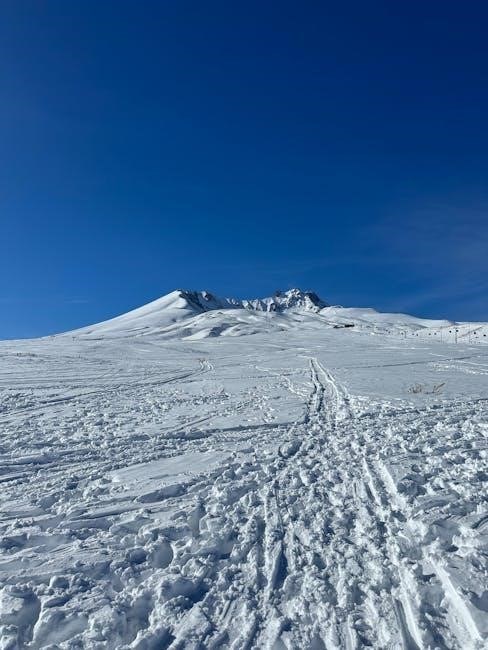
Consider the typical snow conditions you’ll encounter. Deeper, powder-like snow demands wider skis than packed, but un-groomed trails. A wider ski also offers greater stability and control when navigating varied terrain during backcountry adventures.
The Importance of Ski Stiffness and Flex
Ski stiffness, or flex, profoundly impacts performance, particularly in classic skiing. Manufacturers employ factory flex testing to assess and categorize ski stiffness, but inherent variations exist even within the same size and model – potentially differing by 15kg in recommended skier weight.
Stiffer skis generally favor heavier skiers and more aggressive techniques, providing enhanced power transfer and stability at higher speeds. Softer skis are more forgiving and suitable for lighter skiers or those prioritizing comfort and control at slower paces.
For classic skiing, consistent flex is crucial for optimal kick and glide. Variations can lead to unpredictable wax performance and reduced efficiency. Purchasing from retailers utilizing flex testing machines ensures a more precise match to your weight and ability, maximizing your on-snow experience.
Factory Flex Testing and Quality Control
Reputable ski manufacturers implement rigorous factory flex testing to ensure consistent quality. This process involves measuring the amount of force required to deflect the ski, providing a quantifiable assessment of its stiffness. While standardization exists, inherent variability remains a factor, meaning even skis of the same stated size and model can exhibit differing flex characteristics.
Retailers employing their own flex testing machines offer a significant advantage. They can individually assess skis before stocking them, selecting only those that meet specific quality standards and fall within acceptable flex ranges. This meticulous approach minimizes the chance of receiving a ski that doesn’t align with your weight and skiing style.
This pre-selection process is particularly vital for classic skis, where consistent flex is paramount for optimal wax performance and efficient striding. Investing in skis vetted through thorough flex testing translates to a more predictable and enjoyable on-snow experience.
Variations in Ski Stiffness Within the Same Size
Despite standardized sizing, significant variations in ski stiffness can occur even within the same length and model. Manufacturers acknowledge that inherent material inconsistencies and production tolerances can lead to a flex difference of up to 15kg in recommended skier weight. This means a ski labeled for a 70-80kg skier might actually perform optimally for someone weighing 65-75kg, or 75-85kg.
This variability underscores the importance of considering individual ski characteristics, rather than solely relying on published charts. A retailer with flex testing capabilities can help identify skis that match your specific weight and technique.
For classic skis, these stiffness differences are especially critical, directly impacting kick wax performance and glide. A ski that’s too stiff will be difficult to compress for a good kick, while one that’s too soft will sink excessively. Careful selection is key to maximizing efficiency and enjoyment.
Impact of Stiffness on Classic Ski Performance
Ski stiffness profoundly influences classic ski performance, dictating the effectiveness of kick wax and overall glide. A ski that’s too stiff resists compression, making it challenging to achieve a reliable kick, especially in colder temperatures or with harder snow conditions. This results in lost momentum and increased effort.
Conversely, a ski that’s too soft sinks too deeply during the kick phase, creating excessive drag and reducing glide efficiency. Finding the right balance is crucial; the ski should compress sufficiently to engage the wax, but not so much that it feels sluggish.
Stiffness also affects glide. A properly flexed ski distributes weight evenly, promoting smooth and efficient gliding. Variations within the same size necessitate careful consideration, highlighting the benefit of flex testing to ensure optimal performance tailored to your weight and technique.
Safety Considerations: Skis and Dogs
Skiing with dogs requires heightened awareness of potential hazards, particularly concerning metal ski edges; These edges are incredibly sharp and can inflict severe, even life-threatening, injuries to a dog if contact occurs during movement or a fall. The speed and proximity of skis amplify the risk.
Some manufacturers, like Asnes, offer skis with non-metal edges specifically designed for dog-friendly touring, mitigating this danger. If you opt for metal-edged skis, diligent training is paramount. Your dog must learn to maintain a safe distance, avoiding running or walking too close to your skis.
Constant vigilance is essential. Be mindful of your dog’s position, especially on descents or in crowded areas. Prioritize their safety by choosing appropriate gear and practicing responsible skiing etiquette. A well-trained dog and cautious skier ensure a safe and enjoyable experience for both.
Metal Edges and Dog Safety
The inherent danger of metal ski edges to dogs cannot be overstated. These edges, designed for grip on icy surfaces, are exceptionally sharp and pose a significant risk of lacerations or more severe injuries to a canine companion. A swift movement or accidental contact can lead to serious harm, demanding proactive safety measures.
Manufacturers like Asnes recognize this hazard and produce skis with non-metal edges specifically for skiers who enjoy touring with their dogs. This provides a safer alternative, eliminating the immediate threat of cuts. However, if choosing skis with metal edges, responsible ownership dictates rigorous training.
Your dog must be thoroughly trained to maintain a safe distance from your skis at all times. This includes avoiding running alongside, weaving between your legs, or getting too close during falls. Constant awareness and preventative measures are crucial for a safe and enjoyable experience for both you and your furry friend.